Understanding the Basics: Pressure Washing vs. Soft Washing
As a resident or business owner in Humble, Texas, maintaining the exterior of your property is essential for both aesthetic appeal and longevity. Pressure washing and soft washing are two effective methods for exterior cleaning, but understanding their differences is crucial for beginners looking to choose the right service.
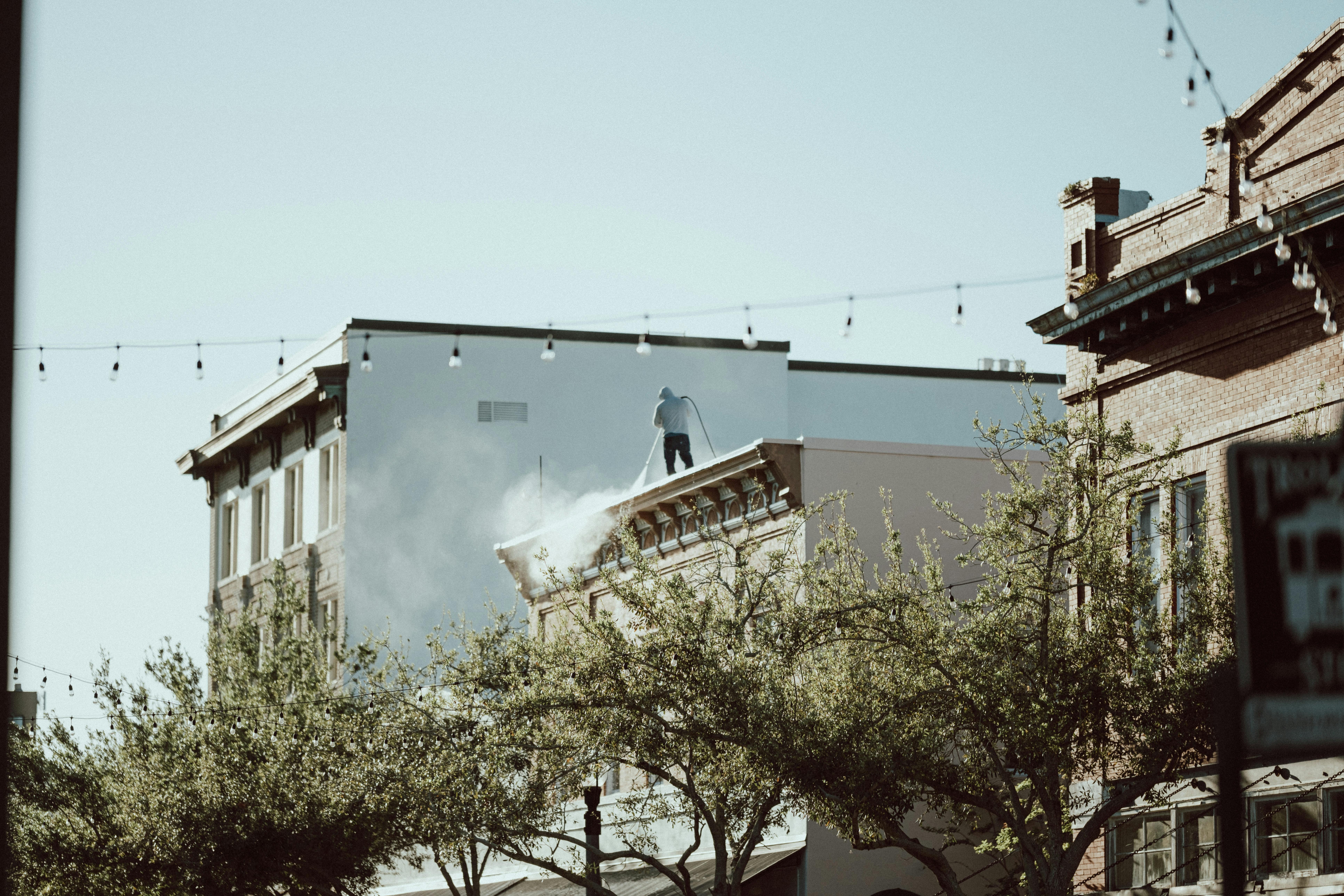
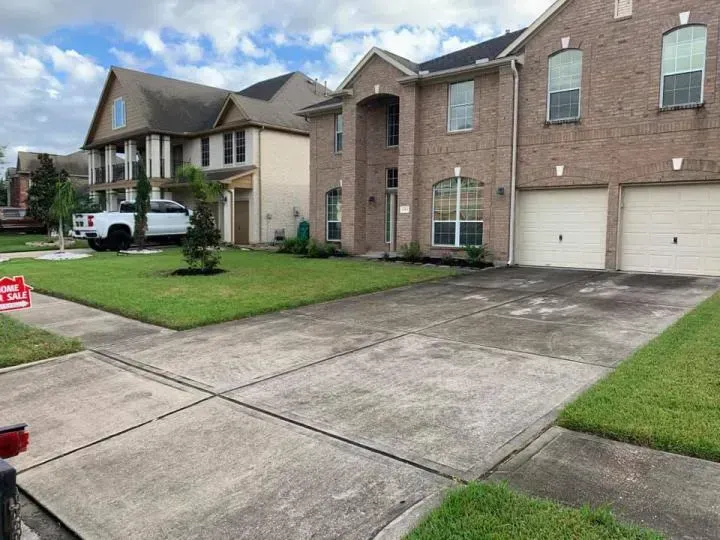
Pressure washing uses high-pressure water jets to remove dirt, grime, and mildew from hard surfaces like driveways, patios, and sidewalks. It's ideal for surfaces that can withstand the force without damage.
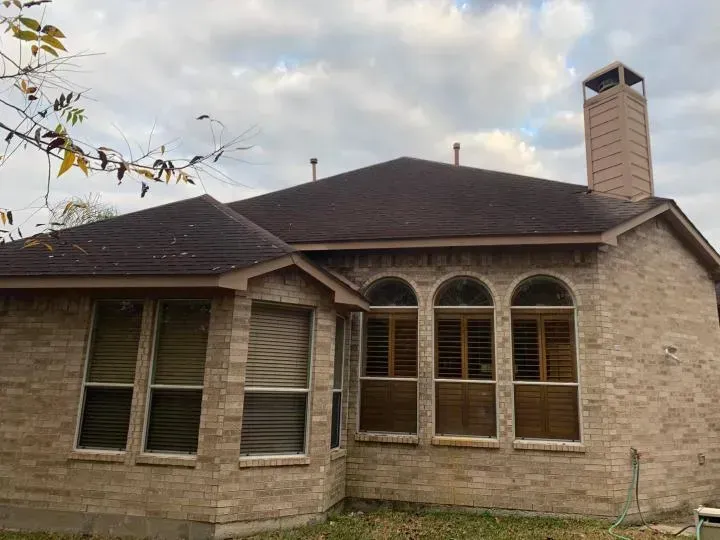
Soft washing , on the other hand, utilizes low-pressure water combined with specialized cleaning solutions to safely clean more delicate surfaces such as roofs, siding, and outdoor furniture. This method is gentle yet effective, ensuring no damage to the surfaces.
How to Decide: Which Method is Right for You?
Choosing between pressure washing and soft washing depends on several factors, including the type of surface, the level of dirt, and the desired outcome. Here’s a simple breakdown to help you decide:
- Hard Surfaces: For concrete driveways, brick patios, or metal surfaces, pressure washing is usually the best option. The high pressure effectively removes stubborn stains and buildup.
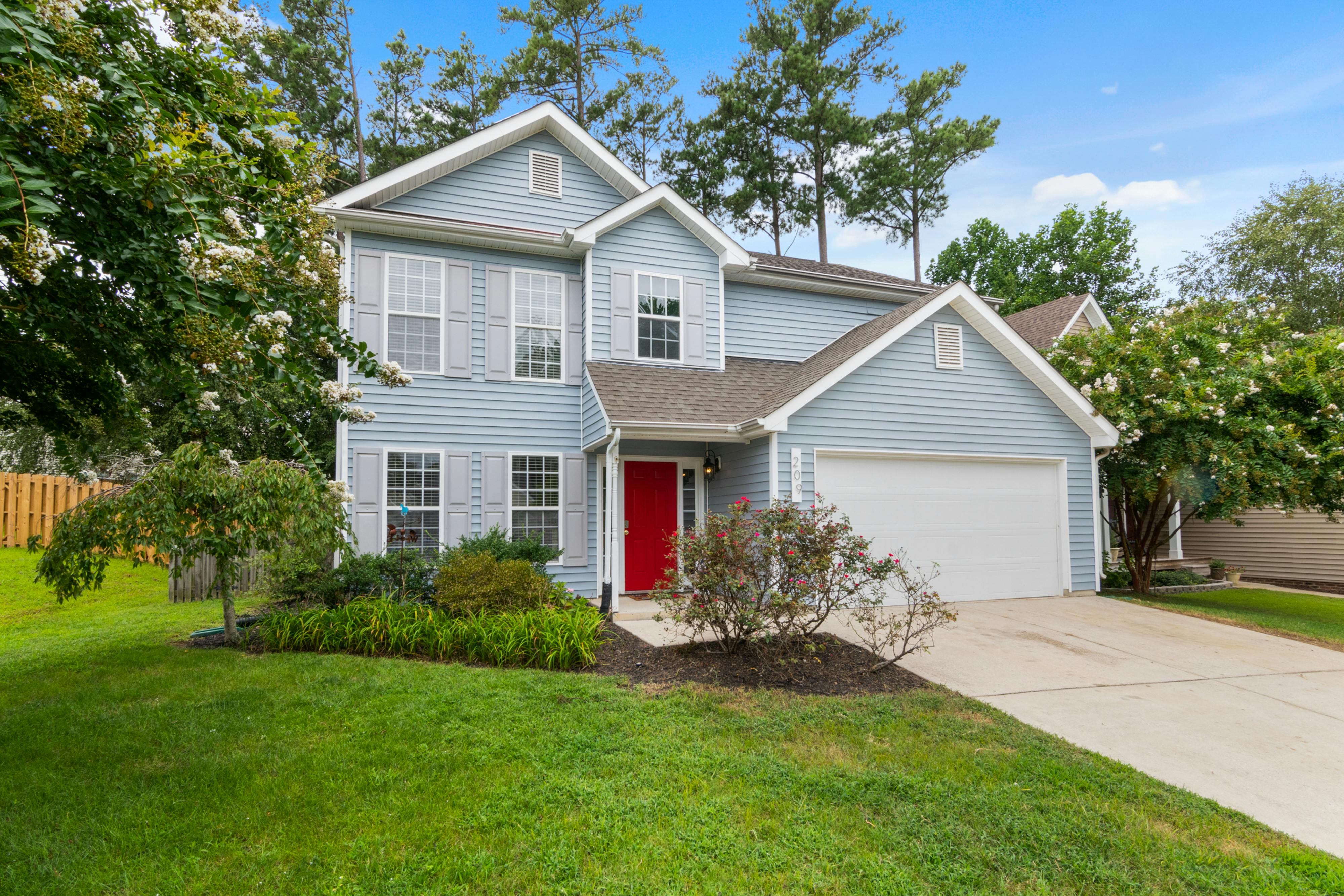
- Delicate Surfaces: Roofs, vinyl siding, stucco, and painted wood benefit from soft washing. The gentle approach prevents damage while thoroughly cleaning the surface.
- Mold and Algae: Soft washing is particularly effective in removing mold, algae, and other biological growth due to its use of cleaning solutions that eliminate spores.
Step-by-Step: How Professionals Perform Pressure and Soft Washing
1. Initial Inspection
Before any cleaning begins, professionals conduct a thorough inspection of the property to identify specific needs and potential problem areas.
2. Surface Preparation
This involves clearing the area of debris, protecting sensitive plants or furniture, and applying pre-treatment solutions if necessary.
3. Application of Cleaning Techniques
For pressure washing, technicians apply high-pressure water jets uniformly across the surface. In soft washing, a low-pressure spray is combined with eco-friendly detergents.
4. Rinsing and Final Inspection
After cleaning, surfaces are rinsed thoroughly to remove any residue. A final inspection ensures the job meets quality standards.
Common Mistakes to Avoid as a Beginner
If you're considering a DIY approach, be cautious of these common mistakes:
- Using Too Much Pressure: Excessive pressure can damage surfaces, especially wood and siding.
- Incorrect Detergent Usage: Using the wrong detergent can harm surfaces and the environment.
- Ignoring Safety Protocols: Always wear protective gear and be aware of your surroundings to prevent accidents.
Why Choose Professional Services in Humble, Texas?
While DIY might seem appealing, hiring professionals like Tejas Softwash ensures a thorough, damage-free cleaning process. Our experts are trained to handle various surfaces, use industry-grade equipment, and apply environmentally friendly cleaning solutions.
Conclusion: Start Your Cleaning Journey with Confidence
By understanding the basics of pressure and soft washing, you can make informed decisions about maintaining your property’s exterior. Whether you choose to hire professionals or tackle a project yourself, this guide provides a solid foundation for achieving the clean, pristine look you desire.
For residents and businesses in Humble, Texas, seeking expert advice or services, Tejas Softwash is here to help. Contact us today to learn more about our comprehensive cleaning solutions tailored to your needs.